Our Services
Message Happy Smile Dental Clinic
Choose the branch you would like to book an appointment with.
Message Habay Branch Message Molino BranchMessage Happy Smile Dental Clinic
Choose the branch you would like to book an appointment with.
Message Habay Branch Message Molino BranchWhat We Offer

General Dentistry
Dental Cleaning
Helps remove plaque, tartar, and buildup that regular brushing and flossing may not completely eliminate. Regular cleanings can support good oral hygiene and help maintain healthy teeth and gums.
Tooth Restoration
Repairs teeth affected by decay, damage, or other dental concerns. Depending on the condition of the tooth, restoration can help bring back its function, structure, and appearance.
Tooth Extraction
Involves removing a tooth when it cannot be preserved anymore or when removal is recommended as part of a patient’s dental care.
Routine Dental Care
Regular dental visits allow your dentist to check your teeth, gums, and overall oral condition. Routine examinations can help identify dental concerns early and determine whether further treatment is needed.

Pediatric Dentistry
Pediatric dentistry focuses on the oral health of infants, children, and growing patients. It includes preventive care, dental check-ups, cleaning, and treatment of common dental concerns in children.
Our team aims to make dental visits comfortable and help children develop good oral hygiene habits from an early age. Each child’s treatment is planned based on their age, dental needs, and overall oral health.

Cosmetic Dentistry
Veneers
Dental veneers are thin, custom-made coverings placed on the front of the teeth. They can improve the appearance of teeth with discoloration, uneven shape or size, chips, cracks, or noticeable gaps.
Whitening
Helps remove or reduce stains and discoloration, making the teeth look lighter. Teeth can become stained over time due to food, drinks, smoking, medications, and other factors.
Gingival Recontouring
Involves reshaping the gum tissue around the teeth to improve the appearance of the smile. It may be recommended when excess or uneven gum tissue makes the teeth look shorter or creates an uneven gum line.
Crown Lengthening
Crown lengthening is a dental procedure that reshapes the gum tissue, and when necessary, the underlying bone to expose more of the natural tooth.
It may be recommended to improve the appearance of a gummy smile, create a more balanced gum line, or provide better access to tooth structure for restorative treatments such as crowns.
Orthodontics
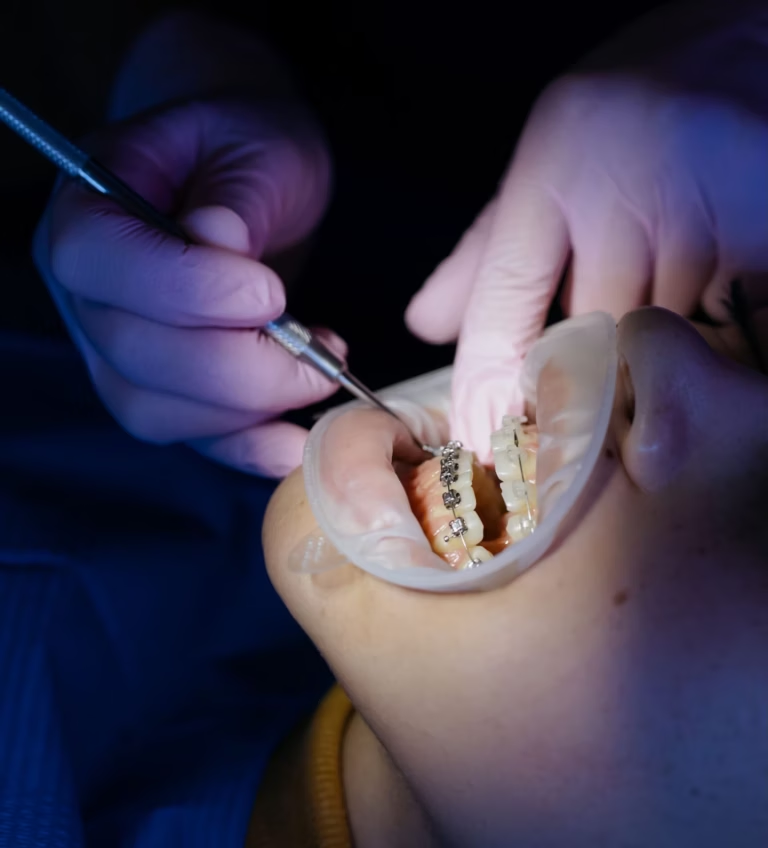
Traditional Metal Braces
The classic and most commonly used type of braces. They use metal brackets and wires to gradually move the teeth into better alignment. Durable, effective, and suitable for a wide range of orthodontic cases.
Ceramic / Clear Braces
Tooth-colored or clear brackets that make braces less noticeable. They work in a similar way to traditional metal braces and can be a good option for patients who prefer a more discreet appearance.
Self-Ligating Braces
Braces that use brackets with built-in clips to hold the archwire instead of traditional elastic ties. They are available in metal and aesthetic options and may be recommended depending on your teeth alignment and treatment needs.
Clear Aligners
A discreet way to achieve a straighter, more confident smile.
Clear aligners use a series of custom-made, virtually invisible trays to gradually move your teeth. They are removable, making it easier to eat, brush, and floss during treatment. They may be suitable for certain alignment and bite concerns, depending on your dental assessment.
Prosthodontics
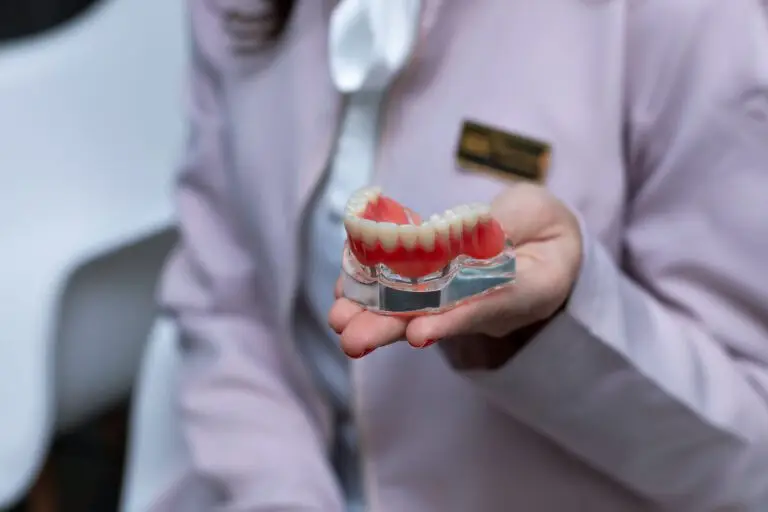
Dentures are removable dental appliances used to replace missing teeth. They can help restore the appearance of your smile and support everyday functions such as chewing and speaking.
The appropriate type of denture depends on the number and location of missing teeth, as well as the patient’s individual oral condition.
Fixed Bridges
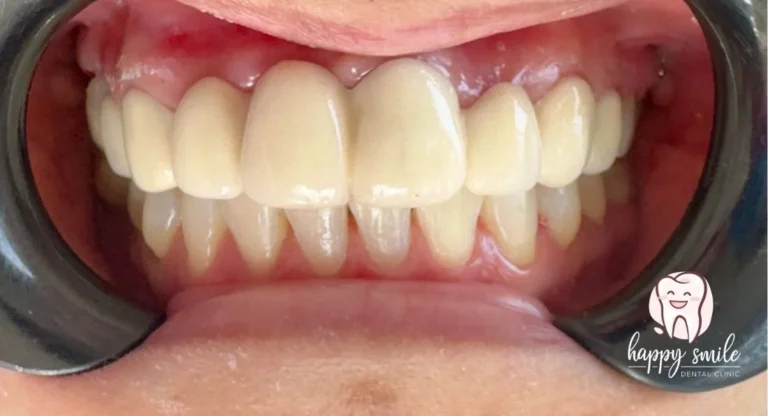
A fixed dental bridge is a restoration used to replace one or more missing teeth. It typically consists of an artificial tooth or teeth supported by neighboring teeth or other appropriate structures.
A properly planned bridge can help restore the appearance of your smile and support normal oral function. Your dentist will assess the surrounding teeth and overall oral condition to determine whether a fixed bridge is suitable for you.

Oral Surgery
Oral surgery involves dental procedures that require surgical treatment to address certain conditions affecting the teeth, gums, or surrounding structures. Depending on your needs, this may include procedures such as the removal or treatment of impacted teeth.
Before any surgical procedure, your dentist will carefully assess your condition, explain the recommended treatment, and discuss what to expect before and after the procedure.

Root Canal Treatment
Root canal treatment is used to treat a tooth when the soft tissue inside it becomes inflamed or infected. During treatment, the affected tissue is removed, the inside of the tooth is cleaned and treated, and the tooth is restored to help preserve it.
Root canal treatment may be recommended for certain cases of deep decay, dental injury, or infection affecting the inside of the tooth.

Implants
A dental implant is a treatment option for replacing a missing tooth. It uses a small implant placed in the jawbone to support a dental restoration, such as a crown, and can help restore the appearance and function of the smile.
The suitability of dental implants depends on the patient’s oral health, bone condition, and individual needs. A proper assessment is needed to determine whether implants are an appropriate treatment option.

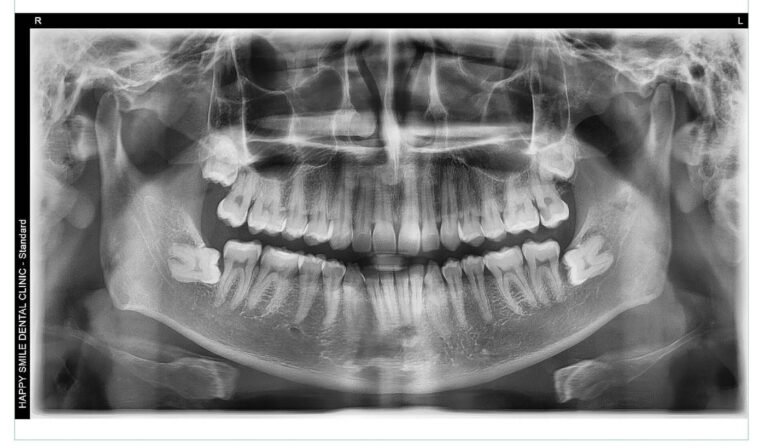
Dental Imaging
Dental imaging uses specialized equipment to create images of the teeth, jaw, and surrounding structures. These images help dentists examine areas that may not be fully visible during a regular dental examination.
Dental imaging can support diagnosis, treatment planning, and monitoring of different dental conditions. The type of imaging needed will depend on the patient’s dental concern and the treatment being considered.

TMJ / TMD Care
The temporomandibular joints (TMJs) connect the jaw to the skull and help with movements such as chewing and speaking. Temporomandibular disorders (TMDs) are conditions that can affect the jaw joints, chewing muscles, and surrounding structures.
Symptoms may include jaw pain or stiffness, difficulty moving the jaw, locking, or painful clicking and popping. Evaluation may involve discussing your symptoms and examining your jaw, facial muscles, and movement. Depending on the findings, your dentist may recommend appropriate conservative care or further evaluation.
Our TMJ / TMD service is available for patients experiencing concerns related to jaw comfort and function.